
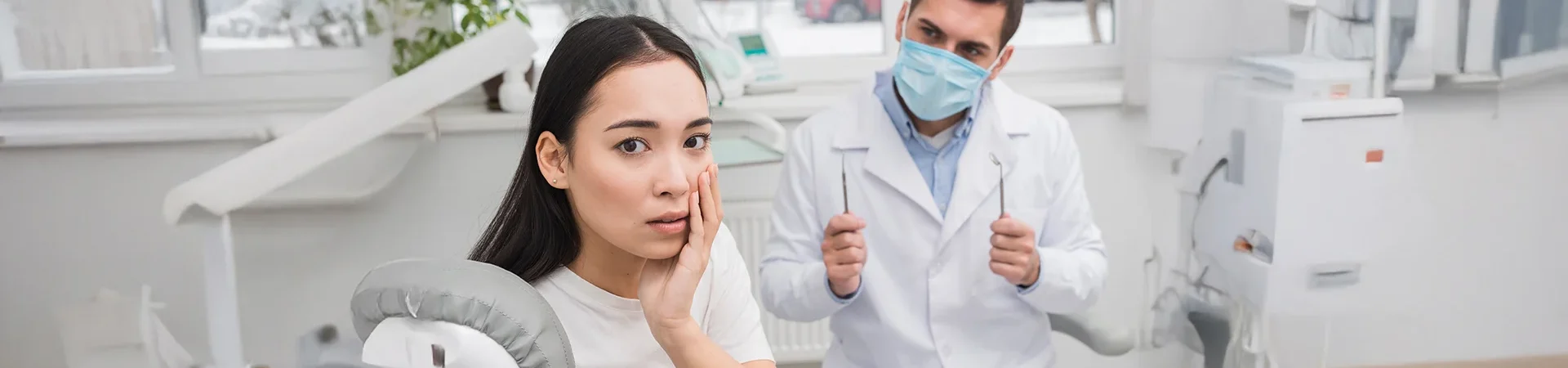
How Do I Know If My Wisdom Tooth Is Impacted?
Evaluation of third molars starts with radiographs and a direct clinical exam to assess bone coverage, gum attachment, and nerve location. Many adults who ask about wisdom teeth extraction in Worcester, MA, are found to have limited space in the back portion of the jaw. If the bone length is inadequate, the tooth cannot erupt into functional alignment. That blocked position allows bacteria to collect beneath soft tissue and increases the chance of localized infection. A recommendation is made only after reviewing root formation, bone support around the second molar, and proximity to sensory nerves.
Why Do Wisdom Teeth Become Impacted?
Jaw development usually completes before the third molars attempt to erupt. If there is insufficient posterior bone, the crown may press against the adjacent molar or remain fully encased within the jaw. That angulation can create pressure on the periodontal ligament and reduce bone stability between teeth.
Radiographs help determine whether the eruption path is obstructed by dense bone or by the neighboring tooth. In some cases, the roots form in close approximation to the inferior alveolar nerve, which affects surgical planning. Retention may be reasonable if bone levels are intact and no infection is present. Removal becomes appropriate if alignment threatens adjacent enamel, bone, or gum tissue integrity.
Early Signs Your Wisdom Tooth May Be Impacted
Inflammation often begins in the tissue covering a partially erupted crown. A gum flap can trap plaque and food debris where brushing does not reach. That confined space promotes bacterial growth and irritates the surrounding tissue.
Clinical findings that prompt assessment include:
- Tenderness over the erupting surface
- Food impaction causing irritation beneath the gum margin
- Mild jaw stiffness related to muscle guarding
- Bleeding during the gentle probing of swollen tissue
Probing depths and radiographic bone levels are measured to determine stability. If inflammation resolves and bone support remains adequate, monitoring may continue. Persistent swelling or early bone changes shift the recommendation toward removal to prevent progression.
When Wisdom Tooth Pain Becomes a Red Flag
Radiating discomfort toward the ear may suggest pressure along nearby nerve pathways. Throbbing pain commonly reflects infection within a confined tissue pocket. Swelling that extends into the cheek indicates the spread of inflammation through connective tissue spaces.
More serious findings include:
- Fever signaling systemic response
- Limited mouth opening from muscular inflammation
- Pain that interferes with chewing
- Radiographic evidence of bone loss behind the second molar
Imaging allows assessment for cyst development or structural compromise. Surgical removal is indicated if infection threatens the surrounding bone or if the impacted tooth contributes to decay or periodontal damage on the adjacent molar.
What Swollen Gums Around a Wisdom Tooth Really Mean
Swelling near a partially erupted molar frequently indicates pericoronitis. The overlying tissue traps bacteria against enamel and bone. Limited oxygen flow within that pocket supports bacterial proliferation and localized infection.
Evaluation includes measurement of pocket depth, inspection for drainage, and review of bone levels on imaging. Irrigation and debridement can temporarily reduce bacterial load. If swelling keeps returning or bone support begins to weaken, surgical removal is recommended to eliminate the source of infection.
Do Impacted Wisdom Teeth Always Need Removal?
Complete impaction within bone does not automatically require extraction. Stable bone levels and absence of cyst formation may support periodic radiographic monitoring. Root position relative to the nerve is also reviewed before making a surgical decision.
Extraction is recommended if infection recurs, decay develops between molars, or bone loss compromises long-term alignment. If radiographs show the roots positioned near a sensory nerve, or if thick bone surrounds the crown, coordination with an oral surgeon may help reduce surgical risk during removal.
Discussion of wisdom tooth removal includes explanation of risks such as swelling, temporary nerve irritation, delayed healing, or clot disruption. Each recommendation is based on anatomical findings and measurable clinical factors rather than age alone.
What to Expect If You Need Wisdom Tooth Extraction
Pre-operative planning involves reviewing imaging to assess root curvature, bone density, and nerve proximity. Local anesthesia blocks sensation along the nerve supplying the surgical area. If the crown remains covered by bone, a small incision exposes the site.
During the procedure:
- Bone is carefully reduced to access the impacted portion
- The tooth may be divided into sections to minimize stress on surrounding structures
- The socket is irrigated to clear debris and bacteria
- Sutures are placed to stabilize tissue and support clot formation
A blood clot forms within the socket and initiates healing. Premature loss of that clot can expose underlying bone and increase discomfort. Swelling generally peaks within 48 to 72 hours as tissue responds to surgical manipulation. Gradual bone remodeling fills the socket over the following months.
When Should You See a Dentist for Wisdom Tooth Concerns?
Ongoing tenderness in the posterior jaw should be assessed before infection spreads deeper into bone or soft tissue. Difficulty keeping the area clean allows bacteria to build up, which can lead to tooth decay and gum disease over time. Individuals searching for a dentist near Worcester, MA often report intermittent swelling or pressure caused by limited eruption space.
Radiographs and periodontal measurements clarify whether bone support remains stable. Removal is advised if the structural risk outweighs the benefit of retaining the tooth.
Schedule Your Wisdom Tooth Evaluation Today
A comprehensive assessment includes probing of the surrounding tissue, evaluation of bone levels, and review of nerve position on imaging. Recommendations depend on infection history, bone stability, and expected healing response.
At Worcester Periodontics, impacted third molars are examined carefully to determine whether continued monitoring, coordination with a surgical specialist, or extraction is clinically appropriate based on objective anatomical findings.